The Future of Health and Wellness in a Digital Age
In the modern world, convenience is often synonymous with quality of life. We order groceries with a swipe, manage our finances from the palm of our hand, and connect with loved ones across the globe in an instant. However, for a long time, healthcare remained one of the few sectors that felt tethered to the past—defined by long waiting rooms, confusing paperwork, and the physical constraints of geography.
That paradigm is shifting. The concept of “Trusted Care at Your Fingertips” is no longer a futuristic vision; it is the new standard for how we manage our most precious asset: our health. This evolution isn’t just about technology; it’s about accessibility, empowerment, and the rebuilding of the patient-provider relationship for the 21st century.
The Evolution of the Healthcare Experience
For decades, the traditional healthcare model followed a rigid structure. If you felt ill, you called a doctor’s office, waited days or weeks for an appointment, took time off work, traveled to a clinic, and sat in a waiting room. This “reactive” model of care often meant that small issues became large ones simply because the friction of seeking help was too high.
The digital transformation of healthcare has dismantled these barriers. By leveraging mobile technology, high-speed data, and intuitive design, healthcare is moving from the clinic to the living room.
-
Telehealth and Virtual Consultations: The ability to speak with a licensed professional via video call has revolutionized triage. It allows for immediate peace of mind and reduces the burden on emergency rooms and urgent care centers.
-
Remote Monitoring: Wearable devices and integrated apps now track everything from heart rate to glucose levels, providing a continuous stream of data that offers a far more accurate picture of health than a once-a-year checkup.
-
On-Demand Coordination: From prescription refills to specialist referrals, the administrative side of health is being streamlined, allowing patients to focus on recovery rather than logistics.
Why “Trust” is the Essential Ingredient
In an era of “dr. google” and endless online forums, information is everywhere, but trust is a rare commodity. For digital care to be effective, it must be rooted in clinical excellence and data security.
1. Verified Expertise
True “trusted care” means knowing that the person on the other side of the screen is a credentialed, experienced professional. Digital platforms today are rigorous in their vetting processes, ensuring that patients have access to board-certified physicians, licensed therapists, and specialized practitioners who adhere to the highest medical standards.
2. Data Privacy and Security
When your health data is “at your fingertips,” it must also be under lock and key. Trust is built on the foundation of HIPAA compliance and advanced encryption. Patients need to know that their medical history, biometric data, and private conversations are protected with the same level of security as a global financial institution.
3. Personalization Through Technology
Trust is also built when a patient feels “seen.” Advanced algorithms and AI aren’t here to replace doctors; they are here to assist them. By analyzing a patient’s unique data—medical history, lifestyle factors, and real-time symptoms—technology can help providers offer more personalized, accurate, and proactive advice.
Bridging the Gap: The Role of Integration
The true power of having care at your fingertips lies in integration. It isn’t enough to just have a video call app; the entire ecosystem must talk to itself.
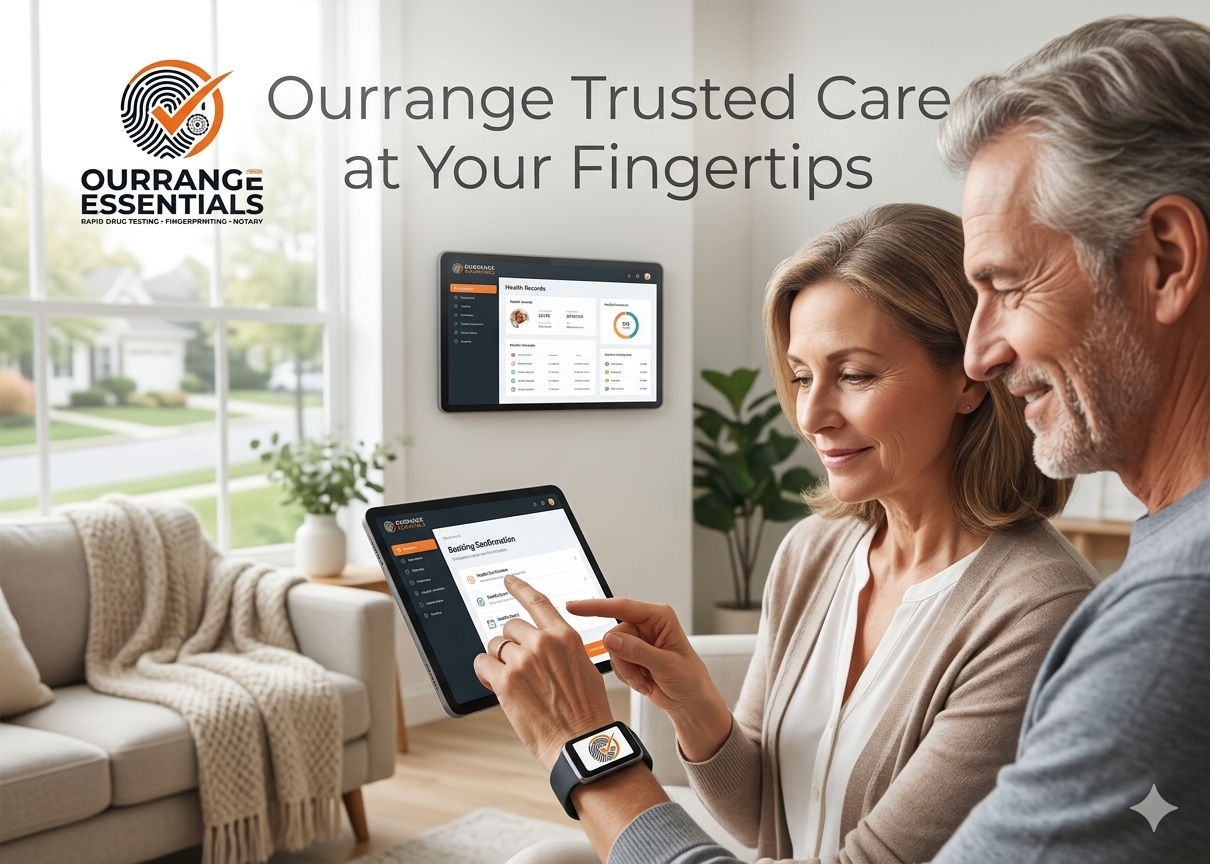
Imagine a scenario where a user feels a sudden shortness of breath. Their smartwatch detects an irregular heart rhythm and alerts their health app. The app prompts the user to start a virtual consultation immediately. During the call, the doctor has real-time access to the heart rate data. Within minutes, a prescription is sent to a local pharmacy, and a follow-up appointment with a cardiologist is scheduled—all without the patient ever leaving their couch.
This is the power of OCR (Optical Character Recognition) and Entity Extraction in modern health tech. By instantly processing physical documents, insurance cards, and laboratory results, these systems remove human error and speed up the delivery of care. When the UI is “real-time,” the patient is never left wondering what happens next.
Mental Health: Care Without Stigma
Perhaps the greatest victory of the “at your fingertips” movement is in the realm of mental health. For many, the stigma of walking into a mental health clinic is a barrier to entry. Digital care provides a layer of privacy and comfort that encourages more people to seek help.
Text-based therapy, video counseling, and digital wellness tools have democratized support. Whether it’s a midnight anxiety attack or a scheduled weekly session, having a support system in your pocket ensures that no one has to navigate their mental health journey alone.
The Impact on Chronic Disease Management
Chronic conditions like diabetes, hypertension, and asthma require constant vigilance. In the old model, a patient might see their doctor every three months, leaving 89 days of the year where they are managing their condition in a vacuum.
“At your fingertips” care changes this dynamic:
-
Real-time feedback: If a blood pressure reading is high, the app can provide immediate lifestyle adjustments or trigger a nurse to reach out.
-
Education: Patients have access to a library of resources tailored to their specific condition, empowering them to become experts in their own care.
-
Consistency: Automatic reminders for medication and testing ensure higher compliance rates, leading to better long-term outcomes.
Breaking Geographical Barriers
In rural areas or “medical deserts,” specialized care can be hours away. This often leads to late diagnoses and poorer health outcomes. Digital care levels the playing field. A patient in a remote village can consult with a world-class specialist in a major city without the cost and physical toll of travel. This “borderless” approach to medicine is a fundamental step toward global health equity.
The Human Touch in a Digital Interface
A common critique of digital care is that it lacks the “human touch.” However, many find that the opposite is true. When technology handles the paperwork, the scheduling, and the data entry, the time spent between a patient and a provider is more focused.
Digital tools can actually enhance the bedside manner. When a doctor isn’t rushing to fill out a chart because the system has already extracted the necessary entities, they can spend those precious minutes looking the patient in the eye (even through a screen) and listening to their concerns.
Looking Ahead: What’s Next?
As we move deeper into the 2020s, the “fingertip” model will only become more sophisticated. We are looking at a future where:
-
Predictive Analytics: Your health app might suggest you rest or increase your fluid intake before you even realize you’re getting sick, based on subtle changes in your sleep patterns and resting heart rate.
-
AR/VR Integration: Virtual reality could allow specialists to “walk through” a 3D model of a patient’s anatomy during a consultation to explain a procedure or a diagnosis.
-
Decentralized Care: The “hospital of the future” may be a network of homes equipped with advanced medical tech, with physical hospitals reserved only for surgery and acute trauma.
Empowering the Proactive Patient
Ultimately, “Trusted Care at Your Fingertips” represents a shift in philosophy. It moves the patient from a passive recipient of care to an active participant in their own wellness. It replaces fear and uncertainty with data and access.
When you have the tools to monitor your health, the platform to speak to experts, and the security to know your information is safe, you gain something invaluable: agency. You are no longer waiting for health to happen to you; you are managing it in real-time, with confidence.
Conclusion
The journey toward better health doesn’t have to start with a commute or a crowded waiting room. It starts with the device in your hand and the trust you place in a system designed to serve you. By embracing the integration of real-time UI, smart data processing, and human expertise, we are entering an era where quality care is not just a privilege for the few, but a right accessible to all.
Trusted care is here. It’s personal, it’s secure, and it’s right at your fingertips.